
- Combat Knife Dagger
- Blade Length
- Blade Material
- 1095 Carbon Steel (9)
- 440c (19)
- 440c Stainless Steel (14)
- Carbon Steel (488)
- Cpm S35-vn (7)
- D-2 Tool Steel (10)
- D2 Stainless Steel (96)
- D2 Steel (195)
- D2 Tool Steel (346)
- D2-tool Steel (53)
- Damascus Steel (609)
- Forged Tool Steel (18)
- Hand Forged Damascus (9)
- High Carbon Steel (30)
- J2 Steel (59)
- J2 Tool Steel (9)
- Stainless Steel (503)
- Steel (42)
- Steel D2 (20)
- Surgical Steel (12)
- Other (1638)
- Blade Type
- Barrow Blades (4)
- Clip Point (422)
- Dagger (488)
- Dagger Point (8)
- Dagger Style (5)
- Damascus (6)
- Double Edge (28)
- Double Edge Dagger (8)
- Double Edged (6)
- Drop Point (275)
- Karambit (16)
- Kukri (4)
- Needle Point (638)
- Spear Point (521)
- Straightback (33)
- Sword (4)
- Tanto (21)
- Trailing Point (9)
- Twisted (4)
- Viking (5)
- Other (1681)
- Brand
- Al Mar (31)
- Benchmade (42)
- Blackswan (26)
- Boker (28)
- Buck Knives (24)
- Champ (35)
- Damascus (318)
- Gerber (122)
- Impact (25)
- Impact Cutlery (58)
- Kayknives (23)
- Knivesfantasy (27)
- Samra Cutlery (40)
- Sn Knives (76)
- Sog (45)
- Spartan Blades (27)
- The Knives Depot (135)
- Unique Blades (73)
- Unique Blades Runner (36)
- Wild Blades (25)
- Other (2970)
- Dexterity
- Handle Material
WWII Theater Knife Fighting Dagger Stacked Lucite Plexiglas Handle With Sheath WP
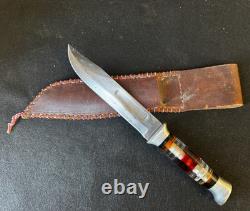
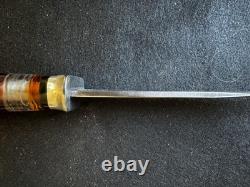
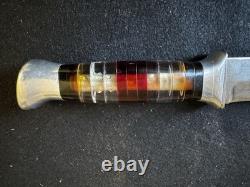
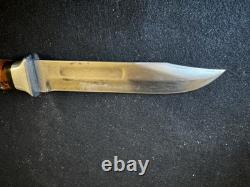
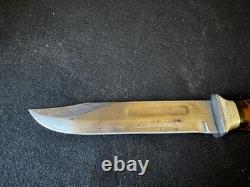
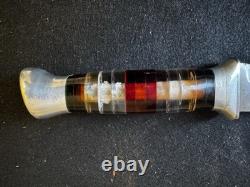
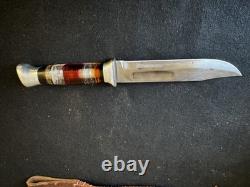

The Story Behind the Handle Materials The most iconic feature of your knife in image. Png is the colorful, stacked handle. These are highly collectible today precisely because of how they were made: Scavenged Aircraft Canopies: The clear and tinted bands on the handle are made of Plexiglas or Lucite. When Allied bombers (like B-17s) or fighter planes were damaged or downed, soldiers would scavenge the shattered acrylic cockpit canopies and nose cones.
The "Stacked" Technique: Servicemen would cut the plastic into small squares or washers, drill a hole through the center, stack them onto the knife's tang, and then file and sand them down into a smooth, ergonomic grip. Vibrant Colors: They would alternate the clear plastic with colored materials-often red, amber, and black spacers. These colored rings were made from whatever was on hand: colored plastic from broken jeep tail-light lenses, electrical insulation, bakelite, or colored spacers taken from enemy equipment.
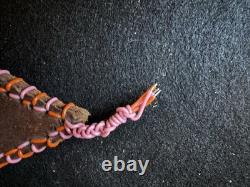
Aluminum Guards and Pommels: The guard and the heavy pommel cap (the bottom of the handle) on your knife appear to be made of cast aluminum. Soldiers routinely melted down scrap aluminum from wrecked aircraft or engine parts and cast them in crude dirt molds to form the hilts. ### Repurposed Blades Because making a high-quality knife blade from scratch in the field is incredibly difficult without a forge, soldiers almost always repurposed existing steel. Common donor blades included: Broken or cut-down bayonets (such as old WWI bayonets or captured enemy blades).Re-ground files or industrial saw blades. Standard issue hunting knives that had their original leather handles rot away in the humid jungles of the Pacific. The Custom Sheath The sheath in image.
Png is also highly characteristic. Standard issue sheaths easily rotted in wet conditions, so soldiers would cut up old leather boot leather, tarps, or heavy gear bags to stitch together custom, heavy-duty sheaths, frequently using thick copper wire or heavy cord to bind the edges. ### A Piece of "Trench Art" While these were fully functional, lethal weapons meant for utility and hand-to-hand combat, they were also highly personal expressions of a soldier's identity and creativity. They served as a point of pride and a way to pass the long hours of downtime between battles.Png is in incredible shape; the acrylic handle has held its color beautifully without cracking, making it an excellent piece of WWII history.